Tuesday, July 2, 2019

ពាក្យឬឃ្លាភ្ជាប់សេចក្ដីបង្ហាញអំពីអត្ថន័យផ្ទុយ (Linking devices of contrast) ក្នុងភាសាអង់គ្លេស​

គេប្រើប្រាស់ពាក្យឬឃ្លាផ្សេងៗដើម្បីបង្ហាញពីភាពផ្ទុយ ឬខុសគ្នាក្នុងភាសាអង់គ្លេស ដោយពាក្យឬប្រយោគទាំងនោះមានដូចជា៖ although, even though, despite, in spite of, however និង but ជាដើម។ ពាក្យ although, even though, despite, in spite of មានអត្ថន័យថា បើទោះបីជា, ទោះបីជា, ទោះបី .... ក៏ដោយ។ ចំណែកពាក្យ however  មានអត្ថន័យថា ទោះបីជាយ៉ាងណា ឬ ប៉ុន្តែ និងពាក្យ but មានន័យថា ប៉ុន្តែ។


ឧទាហរណ៍៖
១) Although we are the best of friends we still disagree from time to time.
២) Even though we are the best of friends we still disagree from time to time.
៣) Despite being the best of friends we still disagree from time to time.
៤) In spite of being the best of friends we still disagree from time to time.

ពាក្យទាំងបីប្រយោគនេះមានអត្ថន័យដូចគ្នា៖ បើទោះបីជាពួកយើងជាមិត្តល្អនឹងគ្នាក៏ដោយ ពួកយើងនៅតែមានបញ្ហាមិនចុះសម្រុងគ្នាពេលខ្លះដែរ។

We are the best of friends; we still disagree from time to time, however. ពួកយើងជាមិត្តល្អនឹងគ្នា ទោះបីជាយ៉ាងណាក៏ដោយពួកយើងនៅតែមានបញ្ហាមិនចុះសម្រុងគ្នាពេលខ្លះដែរ។

We are the best of friends but we still disagree from time to time. ពួកយើងជាមិត្តល្អនឹងគ្នា ប៉ុន្តែពួកយើងនៅតែមានបញ្ហាមិនចុះសម្រុងគ្នាពេលខ្លះដែរ។

+ ទម្រង់ពាក្យនីមួយៗ


  • ពាក្យទាំង although, even though មានមុខងារជា conjunction សម្រាប់ភ្ជាប់ប្រយោគពីរជាមួយគ្នា ដោយគេអាចប្រើប្រាស់នៅពីមុខប្រយោគទី១ ឬក្រោយប្រយោគទី១ក៏បាន។

១) Even though I did well at the interview I didn’t get the job. បើទោះបីជាខ្ញុំធ្វើបានល្អក្នុងការសម្ភាសក៏ដោយ ខ្ញុំនៅតែមិនអាចចូលធ្វើការការងារនោះបានដដែល។
២) I didn’t get the job although I did well at the interview.  ខ្ញុំនៅតែមិនអាចចូលធ្វើការការងារនោះបានដដែល បើទោះបីជាខ្ញុំធ្វើបានល្អក្នុងការសម្ភាសក៏ដោយ.
៣) Even though I was really angry I tried not to show it. ទោះបីជាខ្ញុំខឹងខ្លាំងយ៉ាងណាក៏ដោយ ប៉ុន្តែខ្ញុំមិនបង្ហាញអារម្មណ៍ចេញមកក្រៅនោះទេ។
៤) I tried not to show it although I was really angry ខ្ញុំមិនបង្ហាញអារម្មណ៍ចេញមកក្រៅនោះទេ បើទោះបីជាខ្ញុំខឹងខ្លាំងណាក៏ដោយ។


  • ពាក្យ  Despite / in spite of មានមុខងារជា preposition ដូចនេះវាអាចដាក់នៅពីមុខនាម (noun) ឬឃ្លនាម (noun phrase) ឬ gerund ( v+ ing) ក៏បាន។

ឧទាហរណ៍៖
១) Despite doing well at the interview I didn’t get the job.
២) In spite of doing well at the interview I didn’t get the job.
(ទោះបីជាខ្ញុំធ្វើបានល្អក្នុងការសម្ភាសក៏ដោយ ខ្ញុំនៅតែមិនអាចទទួលបានការការងារនោះដដែល។)
៣) Despite my being really angry I tried not to show it.
៤) In spite of my being really angry I tried not to show it.
(ទោះបីជាខ្ញុំខឹងខ្លាំងយ៉ាងណាក៏ដោយ ប៉ុន្តែខ្ញុំមិនបង្ហាញអារម្មណ៍ចេញមកក្រៅនោះទេ។)


  • ពាក្យទាំងពីរនេះ គេអ្នកបន្ថែមពាក្យ the fact បានប៉ុន្តែអត្ថន័យនៅដដែល។

ឧទាហរណ៍៖
១) Despite the fact I did well at the interview I didn’t get the job.
២) In spite of the fact I did well at the interview I didn’t get the job.
៣) Despite the fact I was really angry I tried not to show it.
៤) In spite of the fact I was really angry I tried not to show it.


  • ពាក្យ However មានមុខងារជាគុណកិរិយា (adverb) ដោយវាអាចឈរនៅច្រើនកន្លែងក្នុងប្រយោគ។

ឧទារហណ៍៖
១)​ I did well at the interview. However, I didn’t get the job.
២) I did well at the interview; I didn’t, however, get the job.
៣) I did well at the interview; I didn’t get the job, however.
(ខ្ញុំធ្វើបានល្អនៅក្នុងការសម្ភាស ទោះបីជាយ៉ាងណាក៏ដោយខ្ញុំនៅតែមិនអាចធ្វើការបានដដែល។)ប្រយោគទាំង ៣នេះ មានអត្ថន័យដូចគ្នាបើទោះបីជាពាក្យ however ឈរនៅកន្លែងផ្សេងគ្នាក៏ដោយ។

៤) I was really angry; however, I tried not to show it.
៥) I was really angry; I tried, however, not to show it.
៦) I was really angry. I tried not to show it, however.
(ខ្ញុំខឹងខ្លាំងមែនទែន ប៉ុន្តែខ្ញុំព្យាយាមមិនបង្ហាញអារម្មណ៍របស់ខ្ញុំចេញមកក្រៅ។)


  • ពាក្យ but មានមុខងារជា conjunction ដែលភ្ជាប់ប្រយោគពីរទៅជាប្រយោគតែមួយ។ but ឈរនៅមុខប្រយគដែលបង្ហាញពីភាពផ្ទុយ។

ឧទាហរណ៍៖
១) I did well at the interview but I didn’t get the job. ខ្ញុំធ្វើបានល្អក្នុងការសម្ភាស ប៉ុន្តែខ្ញុំនៅតែមិនអាចទទួលបានការងារនោះ។
I was really angry but I tried not show it. ខ្ញុំពិតជាខឹងខ្លាំងមែនទែន ប៉ុន្តែខ្ញុំព្យាយាមមិនបញ្ចេញអារម្មណ៍ខ្ញុំចេញមកក្រៅ។

ដោយ៖ លង់ វណ្ណៈ

Friday, June 28, 2019

ការប្រៀបធៀបធម្មតានិងការប្រៀបធៀបកម្រិតផ្ដាច់ (Comparatives and Superlatives)ក្នុងភាសាអង់គ្លេស​

គេប្រើប្រាស់គុណនាមឬគុណកិរិយាប្រៀបធៀបធម្មតា (comparative adjectives and adverbs) ដើម្បីប្រៀបធៀបមនុស្សឬវត្ថុផ្សេងៗជាមួយនឹងមនុស្សឬវត្ថុផ្សេងៗមួយទៀត។


១) Today is hotter than yesterday. ថ្ងៃនេះក្ដៅជាងម្សិលមិញ។
២) I think documentaries are more interesting than the news. ខ្ញុំគិតថាខ្សែភាពយន្តឯកសារមានភាពចាប់អារម្មណ៍ជាងព័ត៌មានទូទៅ។
៣) Can you drive faster? – I'm late. តើអ្នកអាចបើកឲ្យលឿនជាងនេះបន្ដិចបានទេ? ខ្ញុំយឺតពេលហើយ។
៤) My brother speaks more fluently than me. បងប្រុសរបស់ខ្ញុំនិយាយស្ទាត់ជំនាញជាងខ្ញុំ។

អ្នកអាចប្រើការប្រៀបធៀបធម្មតា (comparative) ជាមួយនឹងពាក្យ and ដើម្បីនិយាយអំពីអ្វីមួយដែលមានចលនាឬការវិវឌ្ឍទៅមុខ។

ឧទាហរណ៍៖
១)Train journeys in the UK are becoming more and more expensive. ​ការជិះរថភ្លើងក្នុងប្រទេសអង់គ្លេសកាន់តែថ្លៃទៅៗ។
២) The sky grew darker and darker and we knew the storm would break soon. មេឃមានពណ៌ខ្មៅទៅៗ ហើយពួកយើងដឹងថានឹងមានខ្យល់ព្យុះជាមិនខាន។

អ្នកក៏អាចប្រើប្រាស់ការប្រៀបធៀបដោយប្រើប្រាស់ the ដើម្បីនិយាយអំពីអ្វីមួយដែលផ្លាស់ប្ដូរនៅពេលដែលមានអ្វីមួយផ្លាស់ប្ដូរ៖
ឧទាហរណ៍៖
១) The faster they went, the louder they screamed. ពួកគេទៅមុខកាន់តែលឿន ពួកគេស្រែកកាន់តែខ្លាំង។
២) The taller she grew, the thinner she became. នាងមានកម្ពស់កាន់តែខ្ពស់ នាងកាន់តែស្គមទៅៗ។

គេប្រើប្រាស់គុណនាមឬគុណកិរិយាប្រៀបធៀបកម្រិតផ្ដាច់ (superlative adjectives and adverbs) ដើម្បីប្រៀបធៀបមនុស្សម្នាក់ឬរបស់មួយ ជាមួយនឹងមនុស្សច្រើនឬវត្ថុច្រើនក្នុងប្រភេទដូចគ្នាឬប្រភេទតែមួយ។

ឧទាហរណ៍៖
១) September is the busiest month for our business. ខែកញ្ញាគឺជាខែដែលមមាញឹកជាងគេបំផុតក្នុងការធ្វើអាជីវកម្មរបស់ពួកយើង។
២) Angelina Jolie was the highest paid actress last year. Angelina Jolie គឺជាតារាសម្ដែងដែលទទួលបានចំណូលខ្ពស់ជាងគេបង្អស់ក្នុងមួយឆ្នាំ។
៣) Which student has worked the hardest this year? តើសិស្សម្នាក់ណាដែលខិតខំប្រឹងប្រែងរៀនសូត្រជាងគេបំផុតក្នុងឆ្នាំនេះ?

ជាទូទៅគេប្រើការប្រៀបធៀបកម្រិតផ្ដាច់ (superlatives) ជាមួយនឹងកាល Present perfect ដើម្បីនិយាយអំពីអ្វីដែលជាបទពិសោធន៍ដំបូង។
ឧទាហរណ៍៖
១) That was the funniest film I've seen this year. វាជារឿងកុនដែលកំប្លែងជាគេដែលខ្ញុំបានមើលក្នុងឆ្នាំនេះ។
២) He swam the fastest he has ever swum to win gold. គាត់ហែលទឹកលឿនបំផុតដែលគាត់ហែលបានឈ្នះមេដាយមាស។

ទម្រង់របស់ការប្រៀបធៀបធម្មតា និងការប្រៀបធៀបកម្រិតផ្ដាច់៖
គេបង្កើតការប្រៀបធៀបកម្រិតធម្មតា (comparative) ដោយវិធីពីរយ៉ាង៖ ទីមួយ បូក er និងទីពីរ បន្ថែម more ទៅលើគុណនាមឬគុណកិរិយា។
ឧទាហរណ៍៖
១) This hotel is cheaper than the one on the beach. សណ្ឋាគារនេះមានតម្លៃទាបជាងអាមួយទៀតនៅលើឆ្នេរសមុទ្រ។
២) Life in the country is more peaceful than in the city. ជីវិតក្នុងទីជនបទមានសន្ដិភាពជាងជីវិតក្នុងទីក្រុង។
៣) Ali spoke more accurately than Khalid in the exam. Ali និយាយសុក្រិតត្រឹមត្រូវជាង Khalid នៅពេលប្រលង។

ដើម្បីបង្កើតការប្រៀបធៀបកម្រិតផ្ដាច់ (superlatives)  អ្នកត្រូវបូកនឹង -est នៅពីក្រោយ ឬបន្ថែម most នៅពីមុខគុណនាម ឬគុណកិរិយា។ ​
ឧទាហរណ៍៖
១) It's the cheapest restaurant in town. វាជាភោជនីដ្ឋានដែលមានតម្លៃទាប់ជាងគេបំផុតនៅក្នុងទីក្រុង។
២) He spoke the most confidently in the final interviews. គាត់និយាយដោយមានទំនុកចិត្តក្នុងខ្លួនខ្លាំងបំផុតក្នុងការសម្ភាសចុងក្រោយ។

គេប្រើប្រាស់ the នៅពីមុខគុណនាមឬគុណកិរិយាប្រៀបធៀបកម្រិតផ្ដាច់ (superlative) ប៉ុន្តែគេក៏អាចប្រើប្រាស់គុណនាមជារបស់ (possessive adjective) បានផងដែរ។
ឧទាហរណ៍៖
១) August is the quietest month in Paris.ខែសីហាគឺជាខែដែលស្ងាត់ជាគេបំផុតក្នុងទីក្រុងប៉ារីស។
២) December is our busiest time of year. ខែធ្នូគឺជាពេលវេលាដែលរវល់ជាងគេក្នុងមួយឆ្នាំ។

គុណនាមឬគុណកិរិយាដែលមានមួយព្យាង្គ ត្រូវបូកជាមួយ er ក្នុងទម្រង់ប្រៀបធៀបធម្មតា (comparative) និងត្រូវបូកជាមួយនឹង est ក្នុងការប្រៀបធៀបកម្រិតផ្ដាច់ (superlative)។ 
ឧទាហរណ៍៖
Adjective/adverb: great     nice     fast
Comparative: greater     nicer     faster
Superlative: greatest     nicest     fastest

គុណនាមដែលបញ្ចប់ដោយស្រះ+ព្យញ្ជនៈ ត្រូវបន្ថែមតួព្យញ្ជនៈចុងក្រោយពីរមុននឹងបន្ថែម er ឬ est (លើកលែងតែព្យញ្ជនៈ w)។
ឧទាហរណ៍៖
Adjective: big     hot     new
Comparative: bigger     hotter      newer
Superlative: biggest     hottest     newest

គុណនាមឬគុណកិរិយាដែលមាន៣ព្យាង្គ ឬច្រើនជាងនេះ ត្រូវប្រើប្រាស់ more            ក្នុងការប្រៀបធៀបធម្មតា និងការប្រៀបធៀបកម្រិតផ្ដាច់ (superlative) ដោយពាក្យ most។
ឧទាហរណ៍៖
Adjective/adverb: expensive     fluently
Comparative: more expensive     more fluently
Superlative: most expensive     most fluently

ក្នុងទម្រង់ប្រៀបធៀបធម្មតា (comparative) និងការប្រៀបធៀបផ្ដាច់ (superlative) គុណនាមមានពីរព្យាង្គខ្លះ អ្នកអាចបូក er/est ឬ more/most បាន។
ឧទាហរណ៍៖
Adjective: quiet     common     pleasant
Comparative: quieter / more quiet     commoner / more common     pleasanter / morepleasant
Superlative: quietest / most quiet     commonest / most common     pleasantest / mostpleasant

គុណនាមឬគុណកិរិយាដែលមានពីរព្យាង្គ ដែលបញ្ចប់ដោយព្យញ្ជនៈ y ប្ដូរ y ទៅជា i មុននឹងបន្ថែម er/est។
ឧទាហរណ៍៖
Adjective/adverb: busy     early
Comparative: busier     earlier
Superlative: busiest     earliest

អ្នកត្រូវចងចាំ៖ គុណនាមនិងគុណកិរិយាមួយចំនួនមានភាពមិនទៀងទាត់ក្នុងទម្រង់ប្រៀបធៀបធម្មតានិងទម្រង់ប្រៀបធៀបកម្រិតដាច់។
ឧទាហរណ៍៖
Adjective: good     bad     far     little
Comparative: better     worse     further     less
Superlative: best     worst     furthest     least

Adverb: well     badly
Comparative: better     worse
Superlative: best     worst

ដោយ៖ លង់ វណ្ណៈ

Wednesday, June 26, 2019

ការបកប្រែសម្ដីរបស់លោក ជេក ម៉ា៖ ការអប់រំគឺជាបញ្ហាប្រឈមធំជាងគេ។

ការប្រើប្រាស់ Relative clause ក្នុងភាសាអង់គ្លេស​

Relative clause ត្រូវគេប្រើប្រាស់ដើម្បីបន្ថែមព័ត៌មានបន្ថែមទៅឲ្យនាម (noun)ដូចជាមនុស្ស ទីតាំង ឬវត្ថុផ្សេងៗជាដើម។ 

ក្នុង Relative clause គេប្រើប្រាស់ relative pronouns ដូចជា who សម្រាប់ប្រើប្រាស់ជាមួយមនុស្ស, that និង which សម្រាប់វត្ថុ, when ប្រើប្រាស់សម្រាប់ពេលវេលា និង whose ដើម្បីបង្ហាញអំពីភាពជារបស់។
Relative clause មានពីរប្រភេទគឺ៖ Defining relative clauses និង Non-defining relative clauses។
១) Defining relative clauses ដើម្បីបន្ថែមព័ត៌មានសំខាន់ ចំបាច់ មិនអាចខ្វះបានក្នុងប្រយោគ។

ឧទាហរណ៍៖
១. The woman who found my wallet handed it in to reception. ស្ត្រីដែលបានរកឃើញកាបូបលុយរបស់ខ្ញុំបានប្រគល់វាឲ្យទៅអ្នកទទួលភ្លៀវ។ (who found my wallet ជា defining relative clause ដែលបន្ថែមព័ត៌មានសំខាន់ ចាំបាច់ឲ្យទៅពាក្យ The woman)
២. The student whose dog has run away has gone to look for it. សិស្សដែលឆ្កែរបស់គេរត់ទៅបាត់បានចេញទៅស្វែងរកឆ្កែនោះ។ (whose dog has run away ជា defining relative clause ដែលបន្ថែមព័ត៌មានចាំបាច់ឲ្យទៅពាក្យ The student )
I remember the day when we first met. ខ្ញុំចងចាំថ្ងៃដែលពួកយើងបានជួបគ្នាដំបូង។
These are the earrings that my mother gave me. ទាំងនេះគឺជាក្រវិលដែលម្ដាយរបស់ខ្ញុំឲ្យខ្ញុំ។

ប្រយោគ Defining relative clauses ទាំងនេះបន្ថែមព័ត៌មានសំខាន់ ចាំបាច់ទៅឲ្យប្រធានរបស់ប្រយោគនីមួយៗ។ ប្រសិនបើប្រយោគទាំងនេះមិនមាន Defining relative clauses ទាំងនេះនោះទេ ប្រយោគទាំងនេះគ្មានអត្ថន័យ និងមិនមានន័យពេញលេញ។

២. Non-defining relative clauses បន្ថែមព័ត៌មានបន្ថែមទៅឲ្យនាម ប៉ុន្តែព័ត៌មានទាំងនោះមិនចាំបាច់ ឬមិនសំខាន់នោះទេ។
ឧទាហរណ៍៖
១) My friend’s birthday, which was last weekend, was great fun. ថ្ងៃខួបកំណើតរបស់មិត្តខ្ញុំ កាលពីចុងសប្ដាហ៍មុន ពិតជាគួរឲ្យសប្បាយរីករាយមែន។ (which was last weekend ជា Non-defining relative clause ដែលបន្ថែមព័ត៌មានឲ្យទៅ My friend’s birthday។ បើទោះបីជាអ្នកមិនដាក់ which was last weekend ក៏ដោយ ប្រយោគនេះនៅតែមានអត្ថន័យស្ដាប់បាន។)
២) My current girlfriend, who I love very much, calls me every night. មិត្តស្រីថ្មីរបស់ខ្ញុំ ដែលខ្ញុំស្រលាញ់ខ្លាំងបំផុត តេទូរស័ព្ទមកខ្ញុំរៀងរាល់យប់។ (who I love very much ជា Non-defining relative clause ដែលបន្ថែមព័ត៌មានឲ្យទៅ My current girlfriend ។ បើទោះបីជាអ្នកមិនដាក់ who I love very much ក៏ដោយ ប្រយោគនេះនៅតែមានអត្ថន័យស្ដាប់បាន។)

Non-defining relative clauses ទាំងនេះបន្ថែមព័ត៌មានដែលមិនសំខាន់ចាំបាច់ ដូចនេះបើទោះបីជាអ្នកដកពួកវាចេញពីប្រយោគក៏ដោយ ប្រយោគទាំងពីរនេះនៅតែមានអត្ថន័យ។

ទម្រង់របស់ Defining relative clauses៖ noun + relative pronoun + rest of clause.
ឧទាហរណ៍៖
១)​ A kangaroo is an animal which lives in Australia.
២) The man who came for lunch was my uncle.
៣) Winter is a time when it sometimes snows.

Non-defining relative clauses បង្កើតក្នុងទម្រង់ដូចគ្នា ប៉ុន្តែត្រូវប្រើប្រាស់ក្បៀស (comma)។ ចំណាំ៖ អ្នកមិនអាចប្រើប្រាស់ that ក្នុងប្រយោគ Non-defining relative clause បាននោះទេ។
ឧទាហរណ៍៖
១) My favourite food, which used to be Italian, is now Japanese.
២) Rachel, who we met yesterday, lives in this neighbourhood.
៣) My car, which I bought seven years ago, needs replacing.
៤) This shirt, which I bought last weekend, cost £50.
៥) My best friend, who I met at university, is coming for dinner.

ចំណាំ៖ អ្នកអាចកាត់ Relative pronouns បានក្នុង Defining relative clause ដោយអត្ថន័យនៅដដែលមិនប្រែប្រួល។ ប៉ុន្តែក្នុង Non-defining relative clause អ្នកមិនអាចបំបាត់ Relative pronouns បានទេ។
ឧទាហរណ៍៖
១) This is the shirt that I bought.
This is the shirt I bought.
២) The girl who I like isn’t here yet.
The girl I like isn’t here yet.

ចំណាំ៖ ក្នុងការនិយាយឬសរសេរបែបមិនផ្លូវការ អ្នកអាចប្រើប្រាស់ that ជំនួសឲ្យ who ឬ when ក្នុង Defining relative clauses បាន។
ឧទាហរណ៍៖
១) The woman that called last night was very polite.
២) Do you remember the time that you first met?

ដោយ៖ លង់ វណ្ណៈ

Tuesday, June 25, 2019

ទម្រង់កិរិយាសព្ទ (Verb Pattern) មួយចំនួនក្នុងភាសាអង់គ្លេស​

កិរិយាសព្ទមួយចំនួនប្រើប្រាស់ជាមួយឃ្លា that ឬបូកជាមួយ  gerund (verb-ing form) មួយចំនួនទៀតប្រើជាមួយ an infinitive (with to) និងមានកិរិយាស័ព្ទមួយចំនួនទៀតអាចប្រើប្រាស់បានទាំង  a gerund និង an infinitive ក៏បាន។

ឧទាហរណ៍៖
១) My teacher advised us to study two hours a day. (advise + infinitive) គ្រូរបស់ខ្ញុំបានផ្ដល់ដំបូន្មានដល់ពួកយើងឲ្យចំណាយពេលសិក្សា ២ម៉ោងក្នុងមួយថ្ងៃ។ (កិរិយាស័ព្ទ advise បូកជាមួយ infinitive)

២) The bookstore recommended buying an English-English dictionary. (recommend + verb-ing) បណ្ណាគារណែនាំឲ្យទិញវចនានុក្រមអង់គ្លេស-អង់គ្លេស។ (កិរិយាស័ព្ទ recommend ប្រើប្រាស់បូកជាមួយ gerund)

៣) Toby told me that he was going to France on holiday. (tell + that + independent clause) Toby បានប្រាប់ខ្ញុំថាគាត់នឹងទៅប្រទេសបារាំងនៅថ្ងៃវិស្សមកាលខាងមុខ។ (កិរិយាស័ព្ទ tell ប្រើប្រាស់បូកជាមួយប្រយោគ that)

បន្ថែមពីនេះទៀត មានកិរិយាស័ព្ទមួយចំនួនត្រូវការកម្មបទ (object) ដែលជាទូទៅជាមនុស្ស

១) The police warned us not to enter the building. ប៉ូលិសបានព្រមានពួកយើងមិនឲ្យចូលទៅក្នុងអគារនោះទេ។

២) The speaker invited the audience to ask questions. វាគ្មិនបានអញ្ចើញទស្សនិកជនឲ្យមានជាសំណួរ។

វិធីតែមួយគត់ដើម្បីដឹងថាកិរិយាសព្ទក្នុងភាសាអង់គ្លេសត្រូវប្រើប្រាស់ក្នុងទម្រង់មួយណា អ្នកត្រូវចងចាំនិងអនុវត្តឲ្យច្រើន។ ខាងក្រោមនេះគឺជាកិរិយាស័ព្ទមួយចំនួនដែលមានទម្រង់ស្រាប់ ដែលលោកអ្នកគួរចងចាំដើម្បីប្រើប្រាស់ឲ្យបានត្រឹមត្រូវ៖

  • Discuss (v)= ពិភាក្សា
Discuss + gerund
ឧទាហរណ៍៖ The band discussed playing at the new pub. ក្រុមភ្លេងបានធ្វើការពិភាក្សាគ្នាអំពីការទៅប្រគុំតន្រ្តីនៅតៀមផឹកស៊ីថ្មី
  • Explain (v)= ពន្យល់
Explain + that + independent clause
ឧទាហរណ៍៖ The reporter explained that the storm may cause flooding. អ្នកយកការណ៍បានពន្យល់ថាខ្យល់ព្យុះអាចនឹងបង្ករឲ្យមានទឹកជំនន់។
  • Invite (v)= អញ្ចើញ
invite + someone + to-infinitive
ឧទាហរណ៍៖ My cousin invited me to go to a movie.បងប្អូនជីដូនមួយរបស់ខ្ញុំបានអញ្ចើញខ្ញុំទៅមើលកុន។
  • Offer (v)= ជូន, ផ្ដល់ឲ្យ, ផ្ដល់ជូន
offer + to-infinitive
ឧទាហរណ៍៖ The bank offered to give the clerk his own desk. ធនាគារបានផ្ដល់ជូនតុមួយទៅបុគ្គលិក។
  • Suggest (v)= លើកឡើង, ស្នើឡើង
1) suggest + gerund
ឧទាហរណ៍៖ Jason suggested seeing Romeo and Juliet this weekend. Jason ស្នើឡើងថាគួរទៅមើលរឿង Romeo and Juliet ក្នុងសប្ដាហ៍នេះ

2) suggest + that + independent clause
ឧទាហរណ៍៖ May I suggest that you not buy a new car this year? តើខ្ញុំអាចស្នើសុំមិនឲ្យអ្នកទិញឡានថ្មីក្នុងឆ្នាំនេះបានទេ?
  • Recommend (v)= ណែនាំ, ផ្ដល់ដំបូន្មាន
1)    recommend + gerund
ឧទាហរណ៍៖ My doctor recommends eating fresh fruit every day. គ្រូពេទ្យណែនាំឲ្យញ៉ាំផ្លែឈើស្រស់រាល់ថ្ងៃ។
2)     recommend + that + independent clause
ឧទាហរណ៍៖ We recommend that you buy your tickets early. ពួកយើងណែនាំអ្នកឲ្យទិញសំបុត្ររបស់ពួកយើងឲ្យបានមុន។
  • Ask (v)= សួរ, ស្នើសុំ, អញ្ចើញ
1)     ask + to-infinitive
ឧទាហរណ៍៖ I asked to attend the meeting. ខ្ញុំបានស្នើសុំចូលរួមការប្រជុំ។
2)     ask + someone + to-infinitive
ឧទាហរណ៍៖ Sharon asked her manager to change her hours. Sharon ស្នើសុំឲ្យអ្នកគ្រប់គ្រងរបស់គាត់ផ្លាស់ប្ដូរម៉ោងធ្វើការ។
3)     ask + that + independent clause
ឧទាហរណ៍៖ Annie asked that we phone her after nine in the morning. Annie ស្នើសុំថាឲ្យពួកយើងតេទូរស័ព្ទទៅនាងក្រោយម៉ោង៩ព្រឹក។
  • propose (v)= ស្នើឡើង, លើកឡើង
1)    propose + to-infinitive
ឧទាហរណ៍៖ The president proposed to study the idea.ប្រធានាធិបតីលើកឡើងឲ្យមានការសិក្សាអំពីគនិតនោះ។
2)    propose + that + independent clause
ឧទាហរណ៍៖ Do you propose that we end this program? តើអ្នកស្នើឡើងឲ្យពួកយើងបិទកម្មវិធីនេះ?
  • tell (v)= ប្រាប់
1)     tell + someone + to-infinitive
ឧទាហរណ៍៖ My grandfather told us not to argue. លោកតារបស់ខ្ញុំបានប្រាប់ពួកយើងមិនឲ្យឈ្លោះប្រកែកគ្នា។
2)     tell + that + independent clause
ឧទាហរណ៍៖ My friends told me that I could join them at the pub.មិត្តភក្ដិរបស់ខ្ញុំបានប្រាប់ខ្ញុំថាខ្ញុំអាចចូលរួមជាមួយពួកគេនៅកន្លែងតៀមផឹកស៊ី។
  • warn (v)= ព្រមាន
1)     warn + someone + to-infinitive
ឧទាហរណ៍៖ The firefighter warned the man not to go near the fire. អ្នកពន្លត់អគ្គិភ័យបានព្រមានបុរសម្នាក់នោះមិនឲ្យចូលទៅជិតភ្លើង។
2)     warn + that + independent clause
ឧទាហរណ៍៖ We are often warned that cigarettes are bad for our health. ពួកយើងតែងតែត្រូវបានគេព្រមានថាបារីមិនល្អចំពោះសុខភាពរបស់ពួកយើងទេ។
  • promise (v)= សន្យា
1)     promise + someone + to-infinitive
ឧទាហរណ៍៖ I promised my father to do my best always. ខ្ញុំសន្យាជាមួយប៉ារបស់ខ្ញុំថាខ្ញុំនឹងធ្វើឲ្យបានល្អជារៀងរហូត។
2)     promise + infinitive
ឧទាហរណ៍៖​  Mark has promised to take his grandson to a football game. Mark បានសន្យាថានឹងជូនចៅប្រុសរបស់គាតទៅមើលការប្រកួតបាល់ទាត់។
3)     promise + that
ឧទាហរណ៍៖ We promise that we will finish in time. ពួកយើងសន្យាថាពួកយើងនឹងបញ្ចប់

  • advise (v)= ផ្ដល់ដំបូន្មាន, ទូន្មាន, ផ្ដល់ឱវាទ
1)     advise + someone + to-infinitive
ឧទាហរណ៍៖ Mr Brown advised her to take the geometry course. លោក Brown បានផ្ដល់ដំបូន្មានទៅកាន់នាងឲ្យរៀនវគ្គធរណីមាត្រ។
2)     advise + gerund
ឧទាហរណ៍៖ The scientist advised performing another experiment. អ្នកវិទ្យាសាស្រ្តបានផ្ដល់ដំបូន្មានឲ្យធ្វើការពិសោធន៍មួយទៀត។
3)     advise + that + independent clause
ឧទាហរណ៍៖ The doctor advised that we get a flu shot every year. គ្រូពេទ្យផ្ដល់ដំបូន្មានថាពួកយើងត្រូវចាក់ថ្នាំផ្ដាសាយរៀងរាល់ឆ្នាំ៕

ដោយ៖ លង់ វណ្ណៈ

Friday, June 14, 2019

ទម្រង់កិរិយាសព្ទ (Verb Pattern) មួយចំនួនក្នុងភាសាអង់គ្លេស​

កិរិយាសព្ទមួយចំនួនប្រើប្រាស់ជាមួយឃ្លា that ឬបូកជាមួយ  gerund (verb-ing form) មួយចំនួនទៀតប្រើជាមួយ an infinitive (with to) និងមានកិរិយាស័ព្ទមួយចំនួនទៀតអាចប្រើប្រាស់បានទាំង  a gerund និង an infinitive ក៏បាន។
ឧទាហរណ៍៖
១) My teacher advised us to study two hours a day. (advise + infinitive) គ្រូរបស់ខ្ញុំបានផ្ដល់ដំបូន្មានដល់ពួកយើងឲ្យចំណាយពេលសិក្សា ២ម៉ោងក្នុងមួយថ្ងៃ។ (កិរិយាស័ព្ទ advise បូកជាមួយ infinitive)
២) The bookstore recommended buying an English-English dictionary. (recommend + verb-ing) បណ្ណាគារណែនាំឲ្យទិញវចនានុក្រមអង់គ្លេស-អង់គ្លេស។ (កិរិយាស័ព្ទ recommend ប្រើប្រាស់បូកជាមួយ gerund)
៣) Toby told me that he was going to France on holiday. (tell + that + independent clause) Toby បានប្រាប់ខ្ញុំថាគាត់នឹងទៅប្រទេសបារាំងនៅថ្ងៃវិស្សមកាលខាងមុខ។ (កិរិយាស័ព្ទ tell ប្រើប្រាស់បូកជាមួយប្រយោគ that)

បន្ថែមពីនេះទៀត មានកិរិយាស័ព្ទមួយចំនួនត្រូវការកម្មបទ (object) ដែលជាទូទៅជាមនុស្ស
១) The police warned us not to enter the building. ប៉ូលិសបានព្រមានពួកយើងមិនឲ្យចូលទៅក្នុងអគារនោះទេ។
២) The speaker invited the audience to ask questions. វាគ្មិនបានអញ្ចើញទស្សនិកជនឲ្យមានជាសំណួរ។
  • Discuss (v)= ពិភាក្សា
Discuss + gerund
ឧទាហរណ៍៖ The band discussed playing at the new pub. ក្រុមភ្លេងបានធ្វើការពិភាក្សាគ្នាអំពីការទៅប្រគុំតន្រ្តីនៅតៀមផឹកស៊ីថ្មី។
  •        Explain (v)= ពន្យល់
Explain + that + independent clause
ឧទាហរណ៍៖ The reporter explained that the storm may cause flooding. អ្នកយកការណ៍បានពន្យល់ថាខ្យល់ព្យុះអាចនឹងបង្ករឲ្យមានទឹកជំនន់។
  •        Invite (v)= អញ្ចើញ
invite + someone + to-infinitive
ឧទាហរណ៍៖ My cousin invited me to go to a movie.បងប្អូនជីដូនមួយរបស់ខ្ញុំបានអញ្ចើញខ្ញុំទៅមើលកុន។
  • Offer (v)= ជូន, ផ្ដល់ឲ្យ, ផ្ដល់ជូន
offer + to-infinitive
ឧទាហរណ៍៖ The bank offered to give the clerk his own desk. ធនាគារបានផ្ដល់ជូនតុមួយទៅបុគ្គលិក។
  • Suggest (v)= លើកឡើង, ស្នើឡើង
1) suggest + gerund
ឧទាហរណ៍៖ Jason suggested seeing Romeo and Juliet this weekend. Jason ស្នើឡើងថាគួរទៅមើលរឿង Romeo and Juliet ក្នុងសប្ដាហ៍នេះ

2) suggest + that + independent clause
ឧទាហរណ៍៖ May I suggest that you not buy a new car this year? តើខ្ញុំអាចស្នើសុំមិនឲ្យអ្នកទិញឡានថ្មីក្នុងឆ្នាំនេះបានទេ?

  •      Recommend (v)= ណែនាំ, ផ្ដល់ដំបូន្មាន
1)    recommend + gerund
ឧទាហរណ៍៖ My doctor recommends eating fresh fruit every day. គ្រូពេទ្យណែនាំឲ្យញ៉ាំផ្លែឈើស្រស់រាល់ថ្ងៃ។

2)     recommend + that + independent clause
ឧទាហរណ៍៖ We recommend that you buy your tickets early. ពួកយើងណែនាំអ្នកឲ្យទិញសំបុត្ររបស់ពួកយើងឲ្យបានមុន។

  •        Ask (v)= សួរ, ស្នើសុំ, អញ្ចើញ
1)     ask + to-infinitive
ឧទាហរណ៍៖ I asked to attend the meeting. ខ្ញុំបានស្នើសុំចូលរួមការប្រជុំ។
2)     ask + someone + to-infinitive
ឧទាហរណ៍៖ Sharon asked her manager to change her hours. Sharon ស្នើសុំឲ្យអ្នកគ្រប់គ្រងរបស់គាត់ផ្លាស់ប្ដូរម៉ោងធ្វើការ។

3)     ask + that + independent clause
ឧទាហរណ៍៖ Annie asked that we phone her after nine in the morning. Annie ស្នើសុំថាឲ្យពួកយើងតេទូរស័ព្ទទៅនាងក្រោយម៉ោង៩ព្រឹក។

  • propose (v)= ស្នើឡើង, លើកឡើង
1)    propose + to-infinitive
ឧទាហរណ៍៖ The president proposed to study the idea.ប្រធានាធិបតីលើកឡើងឲ្យមានការសិក្សាអំពីគនិតនោះ។
2)    propose + that + independent clause
ឧទាហរណ៍៖ Do you propose that we end this program? តើអ្នកស្នើឡើងឲ្យពួកយើងបិទកម្មវិធីនេះ?

  • tell (v)= ប្រាប់
1)     tell + someone + to-infinitive
ឧទាហរណ៍៖ My grandfather told us not to argue. លោកតារបស់ខ្ញុំបានប្រាប់ពួកយើងមិនឲ្យឈ្លោះប្រកែកគ្នា។

2)     tell + that + independent clause
ឧទាហរណ៍៖ My friends told me that I could join them at the pub.មិត្តភក្ដិរបស់ខ្ញុំបានប្រាប់ខ្ញុំថាខ្ញុំអាចចូលរួមជាមួយពួកគេនៅកន្លែងតៀមផឹកស៊ី។

  •        warn (v)= ព្រមាន
1)     warn + someone + to-infinitive
ឧទាហរណ៍៖ The firefighter warned the man not to go near the fire. អ្នកពន្លត់អគ្គិភ័យបានព្រមានបុរសម្នាក់នោះមិនឲ្យចូលទៅជិតភ្លើង។
2)     warn + that + independent clause
ឧទាហរណ៍៖ We are often warned that cigarettes are bad for our health. ពួកយើងតែងតែត្រូវបានគេព្រមានថាបារីមិនល្អចំពោះសុខភាពរបស់ពួកយើងទេ។

  •   promise (v)= សន្យា
1)     promise + someone + to-infinitive
ឧទាហរណ៍៖ I promised my father to do my best always. ខ្ញុំសន្យាជាមួយប៉ារបស់ខ្ញុំថាខ្ញុំនឹងធ្វើឲ្យបានល្អជារៀងរហូត។
2)     promise + infinitive
ឧទាហរណ៍៖​  Mark has promised to take his grandson to a football game. Mark បានសន្យាថានឹងជូនចៅប្រុសរបស់គាតទៅមើលការប្រកួតបាល់ទាត់។
3)     promise + that
ឧទាហរណ៍៖ We promise that we will finish in time. ពួកយើងសន្យាថាពួកយើងនឹងបញ្ចប់

  •        advise (v)= ផ្ដល់ដំបូន្មាន, ទូន្មាន, ផ្ដល់ឱវាទ
1)     advise + someone + to-infinitive
ឧទាហរណ៍៖ Mr Brown advised her to take the geometry course. លោក Brown បានផ្ដល់ដំបូន្មានទៅកាន់នាងឲ្យរៀនវគ្គធរណីមាត្រ។
2)     advise + gerund
ឧទាហរណ៍៖ The scientist advised performing another experiment. អ្នកវិទ្យាសាស្រ្តបានផ្ដល់ដំបូន្មានឲ្យធ្វើការពិសោធន៍មួយទៀត។
3)     advise + that + independent clause
ឧទាហរណ៍៖ The doctor advised that we get a flu shot every year. គ្រូពេទ្យផ្ដល់ដំបូន្មានថាពួកយើងត្រូវចាក់ថ្នាំផ្ដាសាយរៀងរាល់ឆ្នាំ៕

ដោយ៖ លង់ វណ្ណៈ

អត្ថន័យ ការប្រើប្រាស់ និងទម្រង់ Past Perfect ក្នុងភាសាអង់គ្លេស​

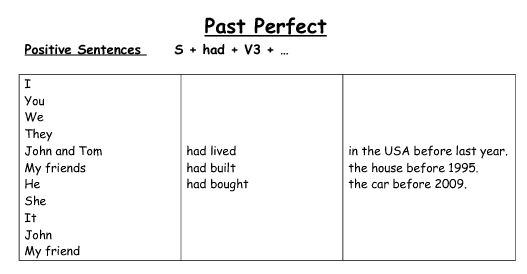
គេប្រើប្រាស់ Past Perfect នៅពេលដែលរឿងរ៉ាវ ឬសកម្មភាព២កើតឡើងក្នុងប្រយោគតែមួយក្នុងអតីកាល ដោយ Past Perfect បញ្ជាក់ថារឿងរ៉ាវឬសកម្មភាពមួយណាកើតឡើងមុន​។ ដូចនេះនិយាយឲ្យងាយស្ដាប់ទៅកាល Past perfect គឺមានសកម្មភាពកើតមុនឬបញ្ចប់មុនកាល past simple។ ជាទូទៅគេប្រើប្រាស់កាល​ Past perfect ជាមួយនឹងកាល past simeple ក្នុងប្រយោគតែមួយ។ 

ឧទាហរណ៍៖
១) When I arrived home, my sister had already made lunch.  នៅពេលខ្ញុំទៅដល់ផ្ទះ បងស្រីរបស់ខ្ញុំបានចម្អិនអាហារថ្ងៃត្រង់រួចរាល់ទៅហើយ។ នៅក្នុងប្រយោគនេះមានរឿងរ៉ាវពីរកើតឡើង៖ គឺ  I arrived home និង my sister made lunch. ក្នុងប្រយោគនេះគេចង់បញ្ជាក់ថា បងស្រីបានចម្អិនអាហារថ្ងៃត្រង់មុនពេល ដែលខ្ញុំបានទៅដល់ផ្ទះ។ មានន័យថា Past Perfect កន្លែងនេះគឺបានបញ្ចប់រួចរាល់មុនពេល Past Simple។

២) When I arrived home, my son had already made an enormous carrot cake.
នៅពេលដែលខ្ញុំទៅដល់ផ្ទះ កូនប្រុសរបស់ខ្ញុំបានចម្អិននំការ៉ុតដ៏ធំមួយ។ ក្នុងប្រយោគនេះគឺមានសកម្មភាពពីរគឺ I arrived home និង my son had already made an enormous carrot cake។ Past Perfect ក្នុងប្រយោគនេះចង់បញ្ជាក់សកម្មភាពកូនប្រុសចម្អិននំបានបញ្ចាប់មុន ពេលសកម្មភាព past simple ។

ក្នុងប្រយោគ Past Perfect ក៏អាចផ្លាសប្ដូរលំដាប់លំដោយនៃព្រឹត្តិការណ៍ក្នុងប្រយោគបានផងដែរ ហើយសកម្មភាពនោះនៅតែបង្ហាញថាមួយណាកើតឡើងមុនដដែល។ 

ឧទាហរណ៍៖
១) I woke up late because I’d forgotten to set my alarm clock. ខ្ញុំងើបពីគេងយឺត ដោយសារតែខ្ញុំភ្លេចដាក់ម៉ោងរោទ៍។ Past perfect ក្នុងប្រយោគនេះចង់បញ្ជាក់ថាសកម្មភាពភ្លេចដាក់ម៉ោងរោទ៍កើតឡើងមុនពេលងើបពីគេង។

២) We hadn’t finished cleaning by the time the guests arrived. ពួកយើងមិនទាន់បានសំអាតរួចរាល់នៅឡើយទេនៅពេលដែលភ្ញៀវមកដល់។

ទម្រង់ Past Perfect 
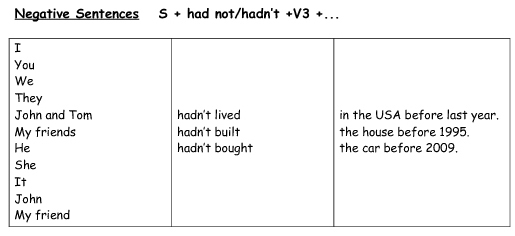
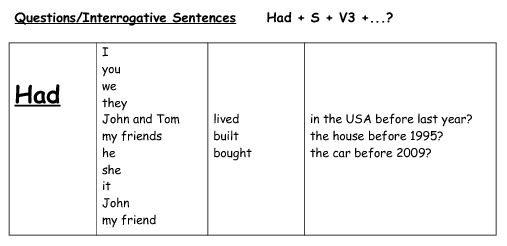
Past Perfect មានទម្រង់ subject + had/hadn’t + past participle.

១) ទម្រង់ប្រយោគស្រប (Positive)

ឧទាហរណ៍៖
១) When my parents got to the station, they realised they had left the tickets at home. នៅពេលដែលឪពុកម្ដាយខ្ញុំទៅដល់ស្ថានីយដឹកអ្នកដំណើរ ពួកគាត់ដឹងថាពួកគាត់ភ្លេចសំបុត្រឡាននៅផ្ទះ។
២) By the time Mark arrived at work, the staff meeting had already started. នៅពេល Mark ទៅដល់កន្លែងធ្វើការ ការប្រជុំបុគ្គលិកបានចាប់ផ្ដើមរួចទៅហើយ។

៣) I woke up late because I’d forgotten to set my alarm clock. ខ្ញុំងើបពីគេងយឺតពីព្រោះតែខ្ញុំភ្លេចដាក់ម៉ោងរោទ៍។

២) ប្រយោគបដិសេធន៍ (Negative)

ឧទារហណ៍៖
១) Kerry couldn’t leave work on time because she hadn’t written the report. Kerry មិនអាចចេញពីធ្វើការទាន់ម៉ោងបានទេពីព្រោះតែនាងមិនទាន់សរសេររបាយការណ៍ហើយ។
២) They didn’t tell the police about the accident they had seen. ពួកគេមិនបានរាយការណ៍ទៅប៉ូលិសអំពីគ្រោះថ្នាក់ដែលពួកគេបានឃើញនោះទេ។
៣) ប្រយោគសំនួរ (Question)
ឧទាហរណ៍៖
១) Had you finished your homework before the movie started?តើអ្នកបានបញ្ចប់កិច្ចការផ្ទះមុនពេលរឿងកុនចាប់ផ្តើមហើយឬនៅ?
២) Hadn’t John told them what he wanted? តើ John មិនបានប្រាប់ពួកគេអំពីអ្វីដែលគាត់ចង់ប្រាប់ទេឬ?
ចំណាំ៖ អ្នកអាចប្រើប្រាស់គុណកិរិយា (Adverbs) ដូចជា already ឬ just ក្នុង Past Perfect បាន ដោយដាក់គុណកិរិយាទាំងនោះនៅចន្លោះ had/hadn’t និង past participle (កិរិយាស័ព្ទខ្ទង់ទី៣ ឬ V3)។
ឧទាហរណ៍៖
១) When I arrived home, my sister had already made lunch.  
២) I had just taken off my coat when the telephone rang.
ចំណាំ៖ ជាទូទៅ Past perfect ប្រើប្រាស់ជាមួយនឹងឃ្លាបញ្ជាក់ពេលវេលាដូចជា when និង by the time។ 
ឧទាហរណ៍៖
១) When I arrived home, my sister had made lunch.  
២) By the time I arrived at work, the staff meeting had already started.
ប៉ុន្តែអ្នកក៏អាចប្រើប្រាស់ឃ្លាផ្សេងៗបានផងដែរ ដូចជា before, after ឬ because ជាដើម។
ដោយ៖ លង់ វណ្ណៈ

សំនួរចម្លើយទាក់ទងនឹង #ក្រុមអ្នកសិក្សាកាសែតពិសេស របស់ Cam-Edu

#១_តើយើងសិក្សាបែបណា ? ការសិក្សាក្នុងក្រុមបែបនេះ គឺតាមរយៈការទម្លាក់ឯកសារមេរៀន និងវីដេអូមេរៀនដែលផ្ដោតសំខាន់លើកាសែតដែលមានរួមទាំងពាក្យ ការបកប្រែ...